What Is Subcontractor Management Software? Do You Actually Need It?
Most subcontractors don’t wake up one day and decide they need subcontractor management software. Instead, they reach a point where the systems they’ve always relied on stop working as well as they used to. Maybe schedules are tracked in spreadsheets, work orders come through email, and field crews call the office for updates. Job information ends up scattered across text messages, paper notes, and multiple software systems that don’t communicate with each other.
At first, it’s manageable. But as the business grows, contractors often spend more time tracking down information, coordinating schedules, and responding to changes than actually moving work forward.
That’s where subcontractor management software comes in.
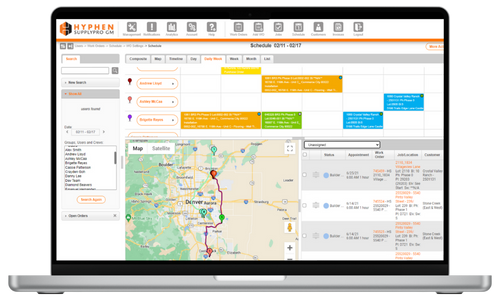
Subcontractor management software helps contractors manage schedules, work orders, field operations, and Builder communication from a single system. For residential trades working with Builders, it provides greater visibility into active work and helps keep office teams, field crews, and Builder partners connected. Solutions like SupplyPro GM are built specifically for Suppliers, Manufacturers, and Trades, helping contractors manage Builder orders, schedules, field operations, and job information from a connected system.
So how do you know if you actually need it?
The Short Answer
If you’re managing work for multiple Builders and relying on spreadsheets, emails, phone calls, and text messages to keep everything organized, there’s a good chance you’ve outgrown your current process. Subcontractor management software helps bring schedules, work orders, job information, and field activities together in one place, making it easier to stay organized as your business grows.
Not every subcontractor needs it right away. But if you’re spending too much time chasing information, coordinating schedules, or trying to figure out the status of active jobs, it’s worth taking a closer look.
What Subcontractor Management Software Actually Does
At its core, subcontractor management software helps contractors manage the day-to-day work of running residential construction projects. Instead of juggling spreadsheets, emails, phone calls, and paper notes, it brings key operational tasks together in one connected system.
For residential trades, that typically includes:
Scheduling Crews
Keep crews organized, stay aligned with Builder schedules, and quickly adjust when priorities change.
Managing Work Orders
Track Builder orders and work assignments in one place instead of searching through emails or manually updating spreadsheets.
Supporting Field Teams
Give crews mobile access to schedules, work orders, punch lists, action items, and job information while they’re on the jobsite.
Improving Visibility
Keep office staff and field teams working from the same information, making it easier to understand the status of active jobs and respond to changes as they happen.
Who Needs It (and Who Can Wait)
Not every contractor needs specialized software today. The better question is whether your current process is helping your business grow or making growth harder.
You Probably Need It If…
- You work with multiple production Builders.
- Your office is constantly answering calls from crews looking for schedule updates.
- Schedules are managed in spreadsheets that require constant manual updates.
- Work orders are arriving from several Builders at the same time.
- Information is spread across emails, texts, phone calls, and paper notes.
- You spend too much time trying to figure out what’s happening on a job.
If any of those sound familiar, the issue usually isn’t your team. It’s that your processes haven’t kept up with the volume of work you’re managing.
You May Be Able to Wait If…
You manage a relatively small number of jobs and can easily keep track of schedules and work orders. Your crews know where they’re supposed to be, communication is straightforward, and your current processes still provide the visibility you need.
In those situations, manual processes may still work. However, many subcontractors begin evaluating software before growth creates larger operational challenges.
Why Residential Trades Have Different Needs Than Commercial Subs
Not all subcontractors operate the same way. Many construction software solutions are built for commercial construction projects, where timelines are often longer and project structures look very different from residential construction.
Residential trades working with Builders face a very different operational environment than commercial contractors. A framing contractor, electrician, plumber, insulation contractor, or painter working with Builders may have dozens or even hundreds of active jobs moving at the same time. Schedules shift frequently, Builders need updates, crews need accurate information, and office staff need visibility into what’s happening across every job.
That environment requires software built around speed, coordination, and Builder connectivity. It’s one of the reasons many residential trades find that generic construction software doesn’t fully address their needs.
SupplyPro GM was developed specifically for residential construction trades and the workflows that come with supporting production Builders.
What to Look For If You Work With Builders
Not all construction management software for subcontractors is designed for residential construction. If you’re evaluating solutions, look for software that supports the way your business actually operates.
Connection to Builder Information
Staying connected to Builder schedules and job information helps reduce manual communication and keeps work moving.
Scheduling and Work Order Management
Look for software that helps organize crew schedules, manage work orders, and quickly adapt when schedules change.
Mobile Access
Field teams should be able to access schedules, work orders, punch lists, and job information from the jobsite without relying on calls back to the office.
Ease of Use
The best software fits naturally into your team’s workflow, making it easier to stay organized as your business grows.
How SupplyPro GM Was Built for This
What makes SupplyPro GM different isn’t simply the features it offers. It’s built specifically for Suppliers, Manufacturers, and Trades, helping contractors stay connected to the Builders they work with every day.
It brings Builder orders, scheduling, work order management, and field operations together in one connected system, helping office teams and field crews stay aligned throughout every stage of a job.
With mobile access, crews can view schedules, work orders, punch lists, action items, and job information from the field. SupplyPro GM also integrates with QuickBooks Online, helping connect operational and financial workflows.
Rather than adapting commercial construction software to residential trades, SupplyPro GM was designed around the way Builders and their trade partners work every day.
Frequently Asked Questions
- What is subcontractor management software?
Subcontractor management software helps contractors manage schedules, work orders, field operations, Builder communication, and job information from a centralized system.
- What is the difference between subcontractor management software and construction management software?
Construction management software often focuses on broader project oversight. Subcontractor management software is designed specifically to help contractors manage scheduling, work orders, field teams, and Builder coordination.
- Do small subcontractors need management software?
Not necessarily. Smaller subcontractors with limited job volume may be able to manage operations manually. However, as businesses grow and begin working with multiple Builders, software can help improve organization and visibility.
- What is the best subcontractor management software for residential construction trades?
The best solution depends on your business needs, but residential contractors should look for software designed specifically for the way production homebuilding works. SupplyPro GM was built for residential construction trades and includes tools for scheduling, work order management, field access, Builder connectivity, and operational visibility.
Ready to Simplify Subcontractor Management?
There comes a point when disconnected tools create more work than they save. If you’re managing schedules, work orders, field teams, and Builder relationships across multiple jobs, subcontractor management software can help bring those processes together.
SupplyPro GM was built specifically for Suppliers, Manufacturers, and Trades, helping contractors stay connected, organized, and aligned with the Builders they serve.
Learn how SupplyPro GM helps residential contractors stay connected with Builders, simplify job management, and keep projects moving.